JFS History
Four sites. One school. Nearly three centuries.
JFS began as a small charitable school for Jewish children in the City of London. Its story since 1732 is also the story of London Jewry: East End arrival, wartime rupture, post-war rebuilding, and a move north-west with the community it serves.
The route
1732
Dukes Place
A Talmud Torah connected to the Great Synagogue, created to educate children who needed communal support.
1822
Bell Lane
The school moved into the East End and became a central institution for immigrant Jewish families.
1958
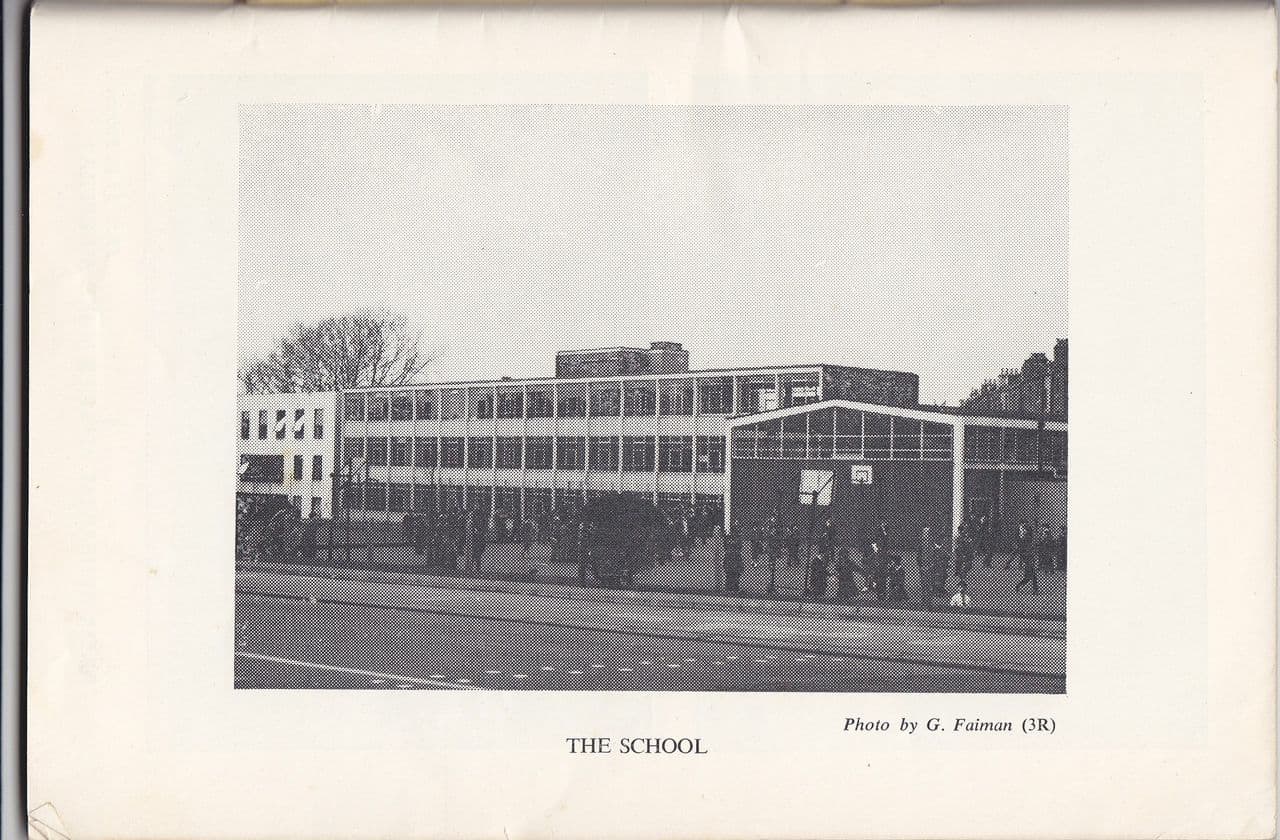
Camden Town
After evacuation and wartime destruction, JFS reopened where post-war Jewish London could reach it.
2002
Kenton
The current campus placed JFS close to the heart of north-west London's Jewish community.
1732
Dukes Place, City of London
A school begins as communal responsibility
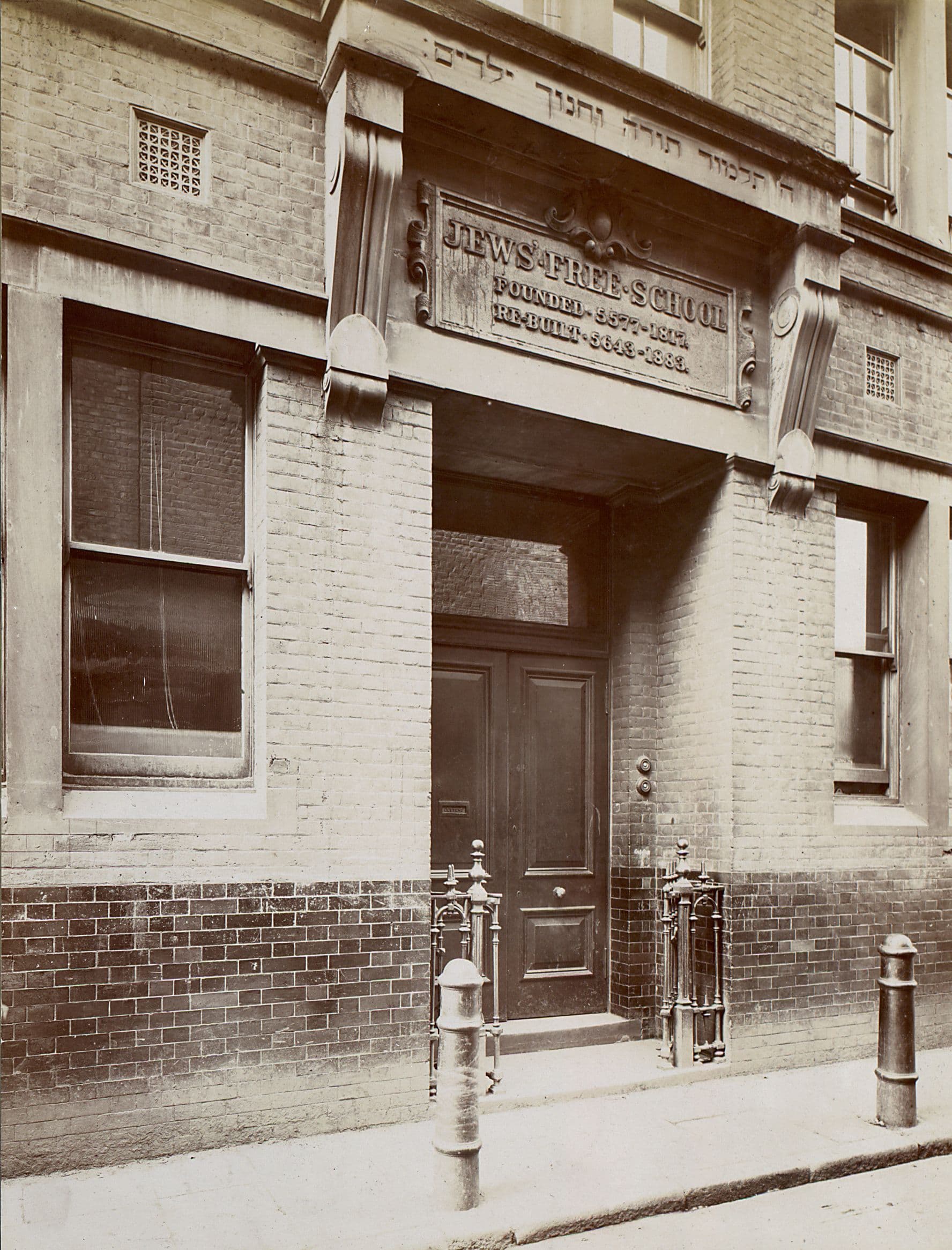
JFS was founded as the Talmud Torah of the Great Synagogue of London, serving children who needed the protection and ambition of the community around them. It was small in scale, but large in principle: Jewish learning, practical education and social responsibility belonged together. That founding idea still matters. JFS was never simply a building. It was a promise that Jewish children in London should be educated with dignity, faith and confidence.
1822 to early 1900s
Bell Lane, Whitechapel
The East End school of arrival
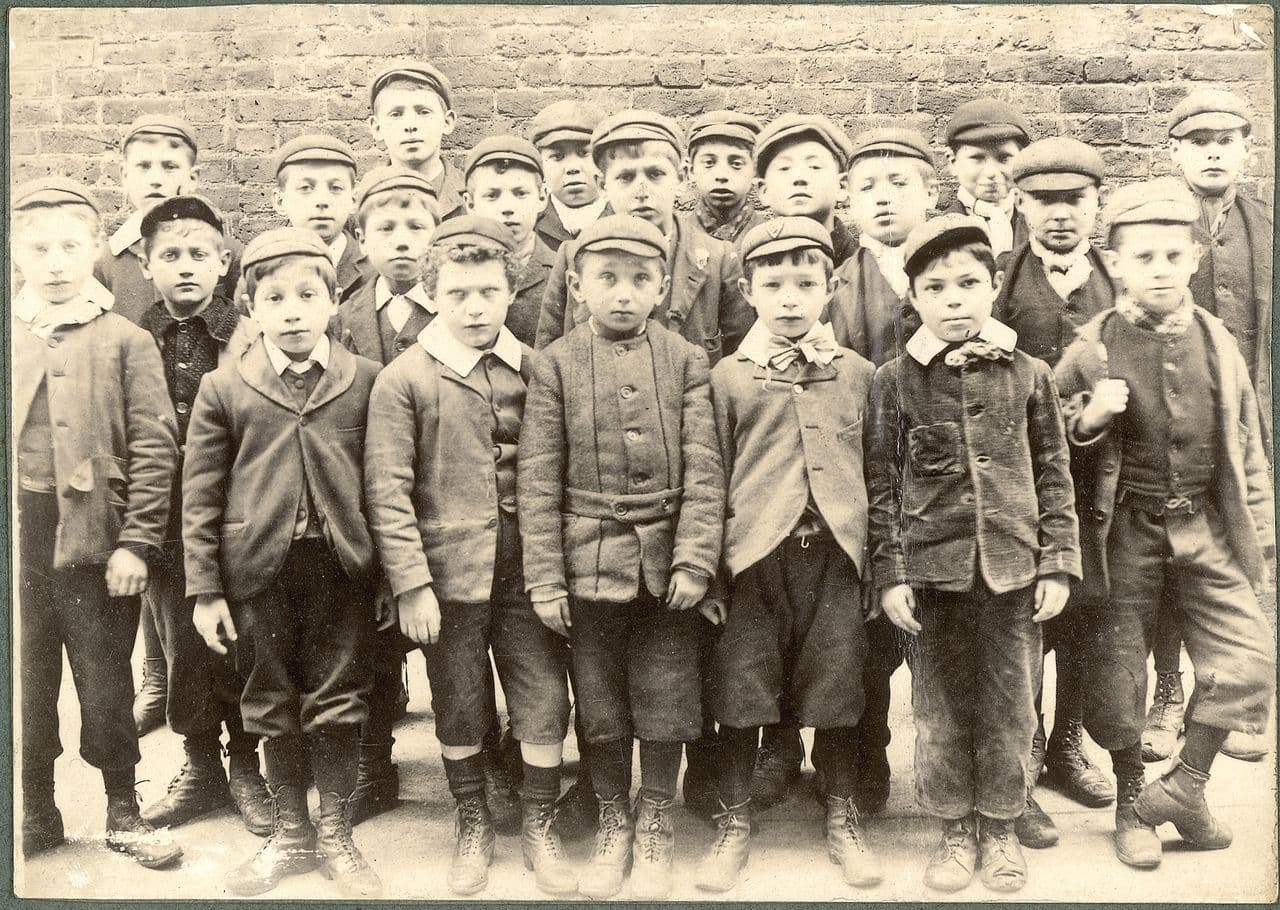
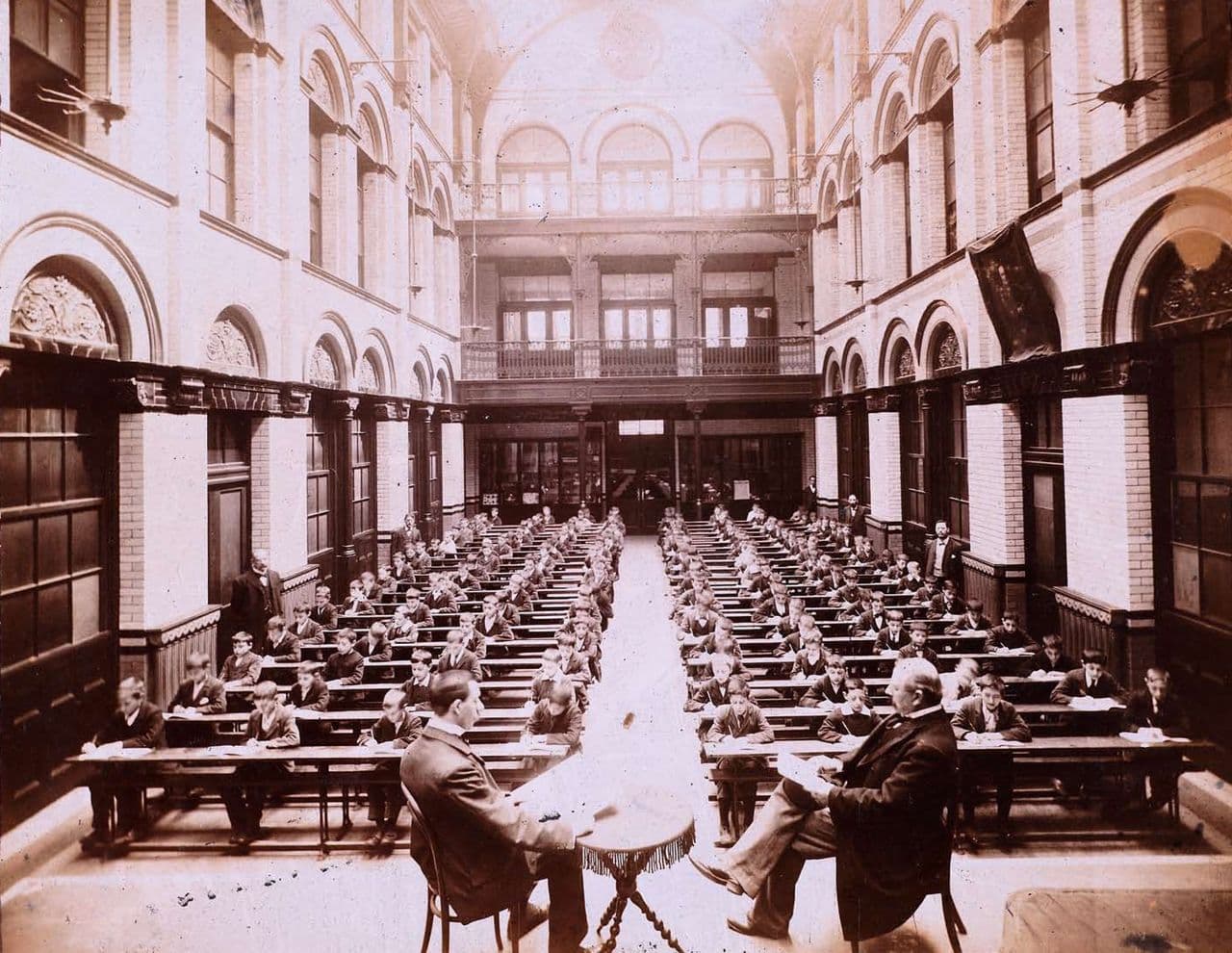
In 1822 the school relocated to Bell Lane, in the heart of the East End. Through the nineteenth century, JFS absorbed thousands of children from immigrant families and became a route into English civic life without leaving Jewish identity behind. The scale was extraordinary. Research sources record more than 4,000 pupils on roll at one time. The school separated boys and girls in line with the period, taught different curricula, and became one of the defining institutions of Jewish Whitechapel.
1914 to 1945
War, refuge and evacuation
A school interrupted, but not ended
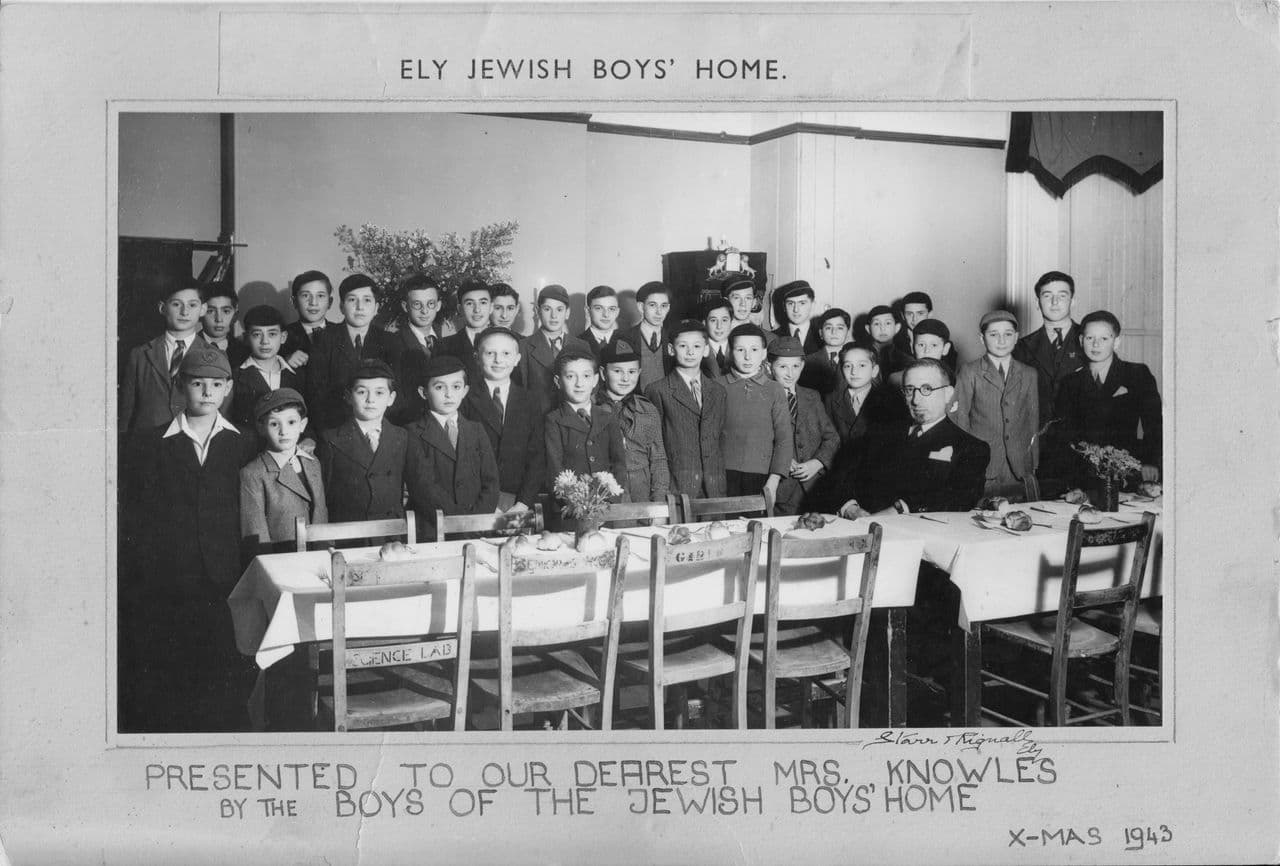
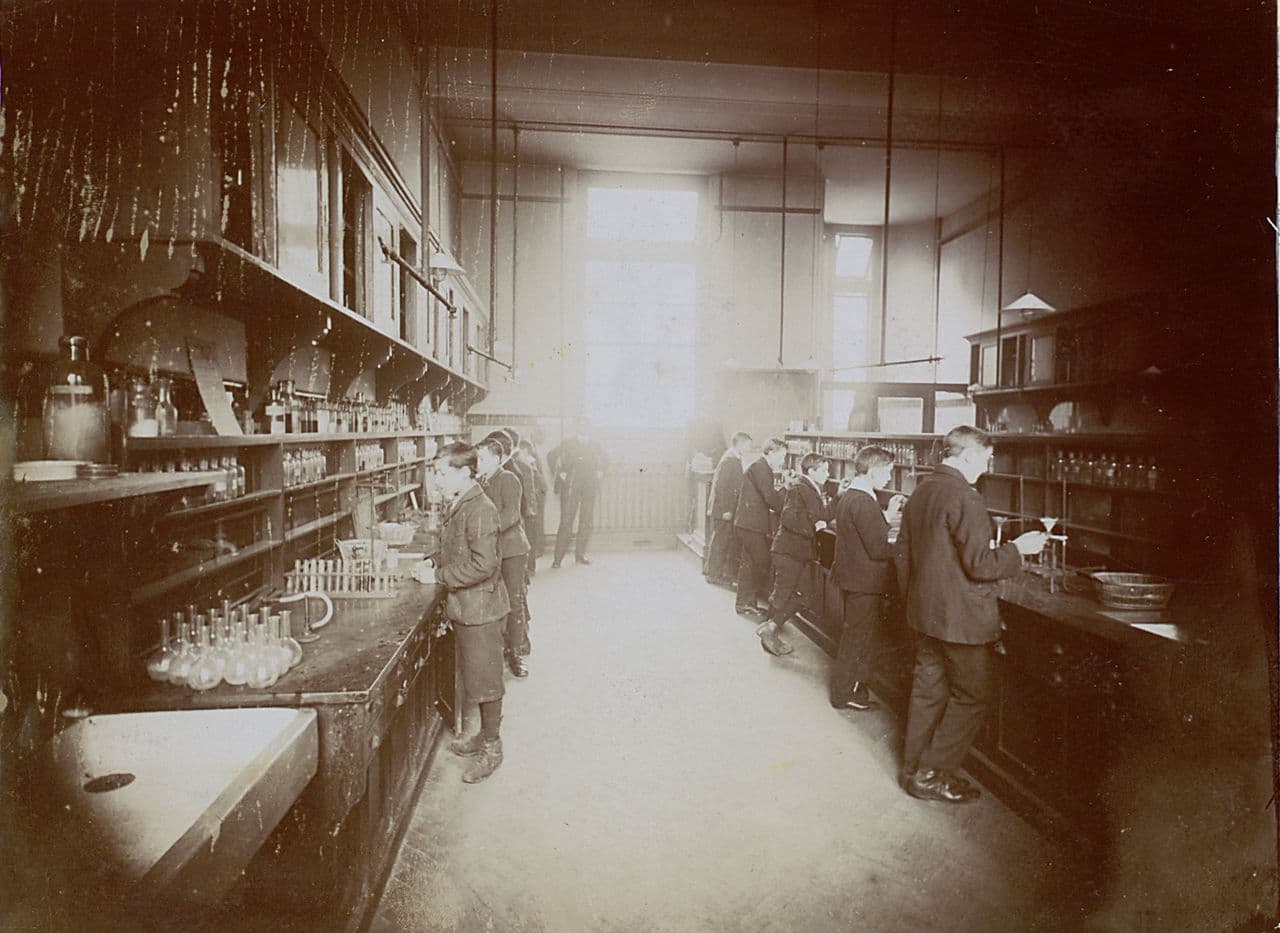
The twentieth century brought a different test. JFS pupils and former pupils were part of Britain's wartime story in the First World War, and in the 1930s children from the Kindertransport came directly into the school community. During the Second World War, pupils were evacuated to East Anglia and Cornwall. The Bell Lane school was destroyed by enemy action. For a school built on continuity, this was a profound break. The institution survived because its community carried it beyond the damaged building.
1958
Camden Town
Rebuilt for post-war Jewish London
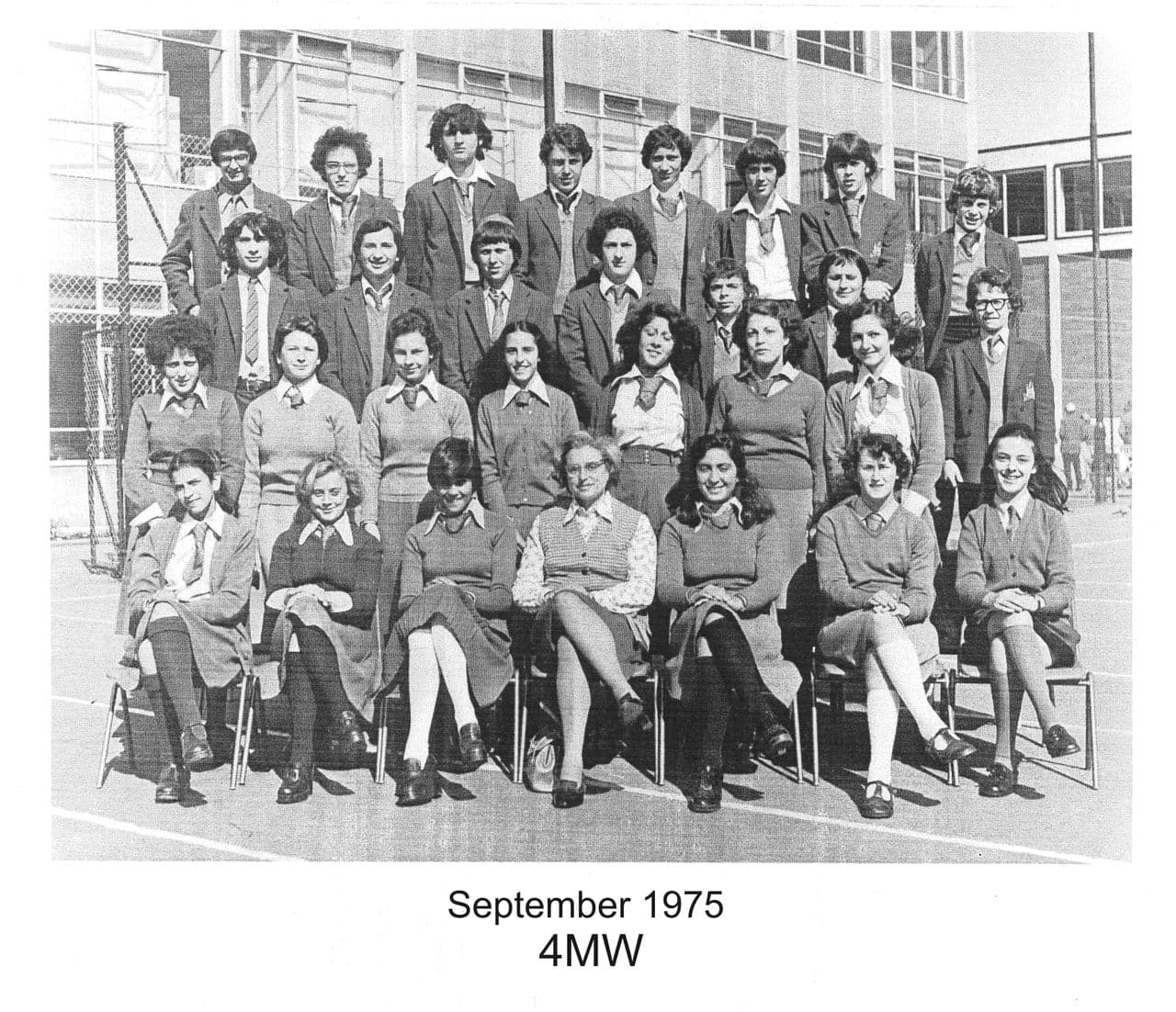
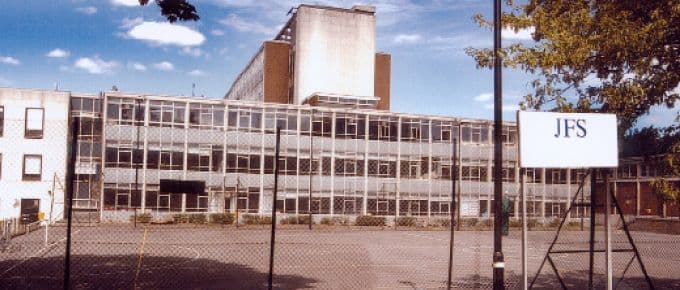
JFS reopened in Camden Town in 1958. Camden made practical sense for the Jewish community of the late 1950s, and symbolically it marked a school returning to public life after the losses and upheaval of war. The Camden years formed generations of alumni. They also set the pattern for JFS as a large, co-educational Jewish secondary school with academic ambition, Jewish rhythm and a strong sense of belonging.
2002 to today
Kenton, Harrow
The school follows the community north-west
In 2002 JFS moved from Camden to Kenton, closer to the centre of gravity of north-west London Jewish life. The move was not an ending. It was a continuation of a pattern visible since 1732: JFS changes site when the community changes shape. Today, JFS remains one of the world's best-known Jewish schools. Its history is not kept behind glass. It is present in Shacharit, in classrooms, in performances, in exam halls, and in the expectation that each generation adds something of its own.
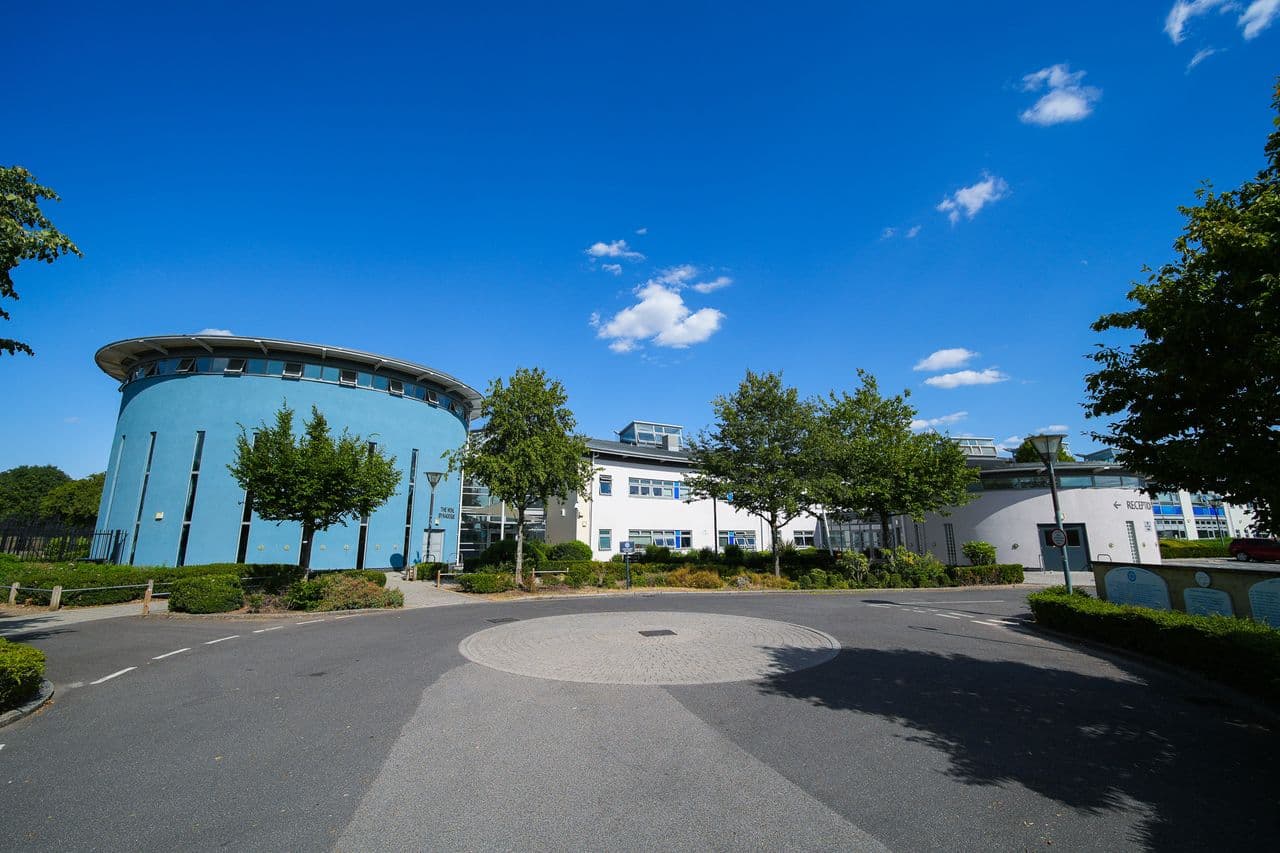
JFS has never stood still. It has moved when Jewish London moved, rebuilt when history demanded it, and kept educating the next generation.
From the archive
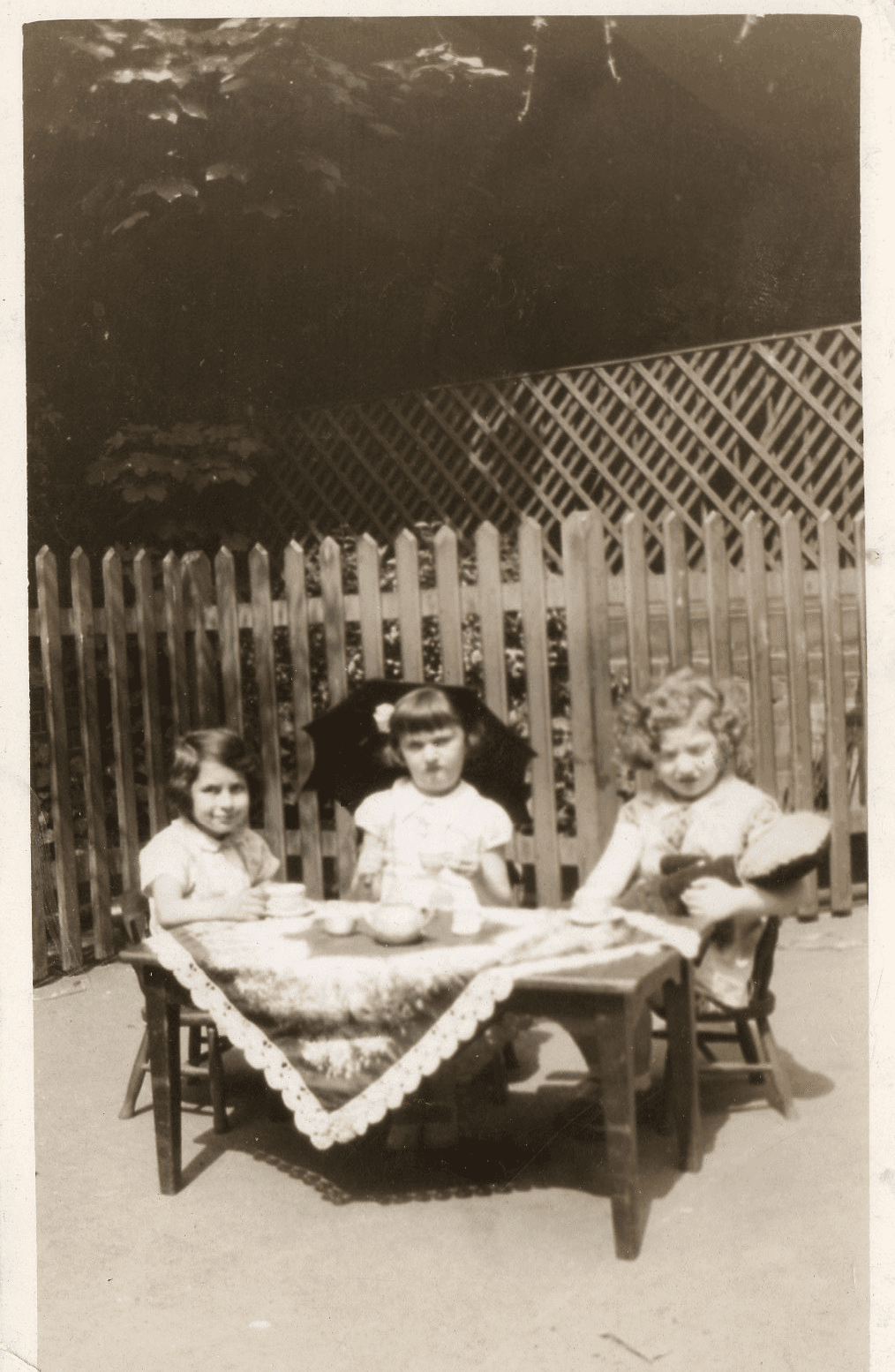
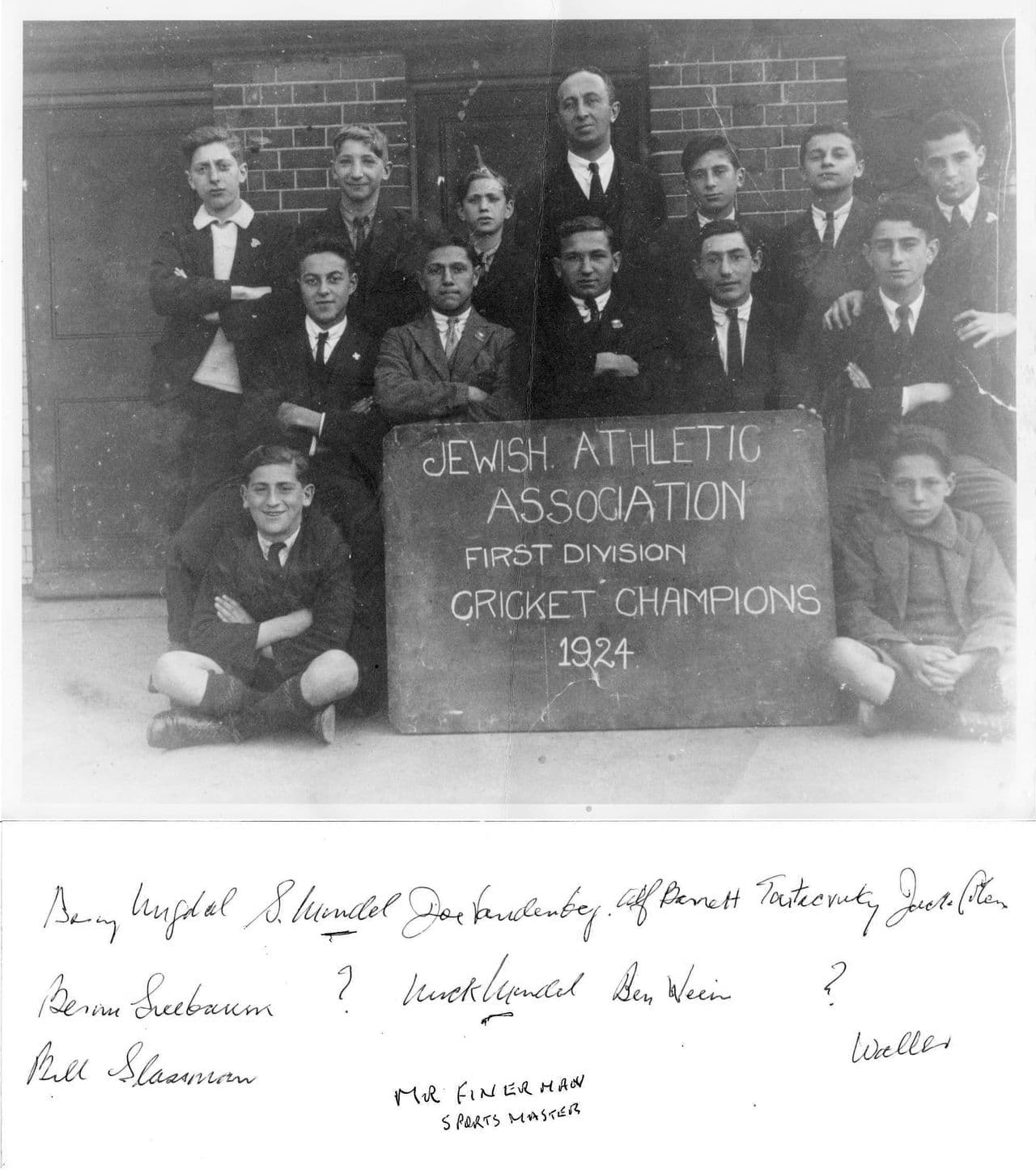
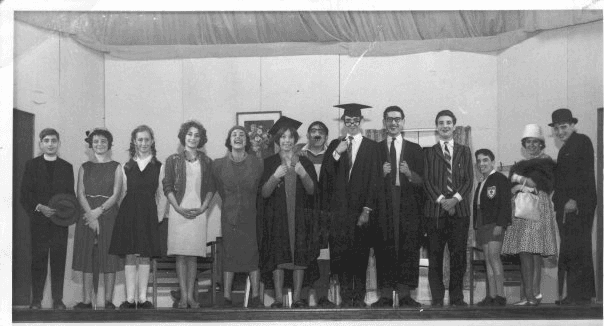
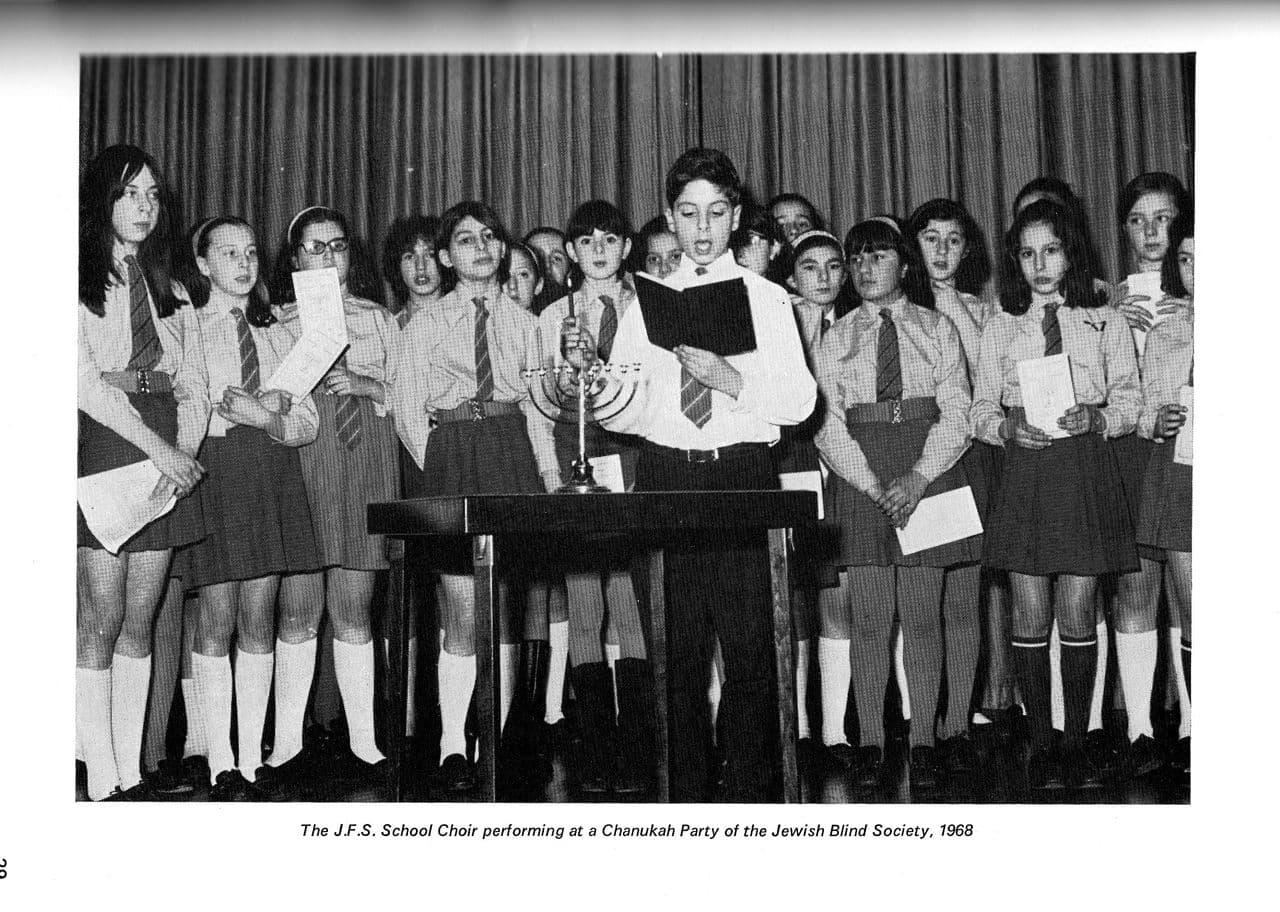
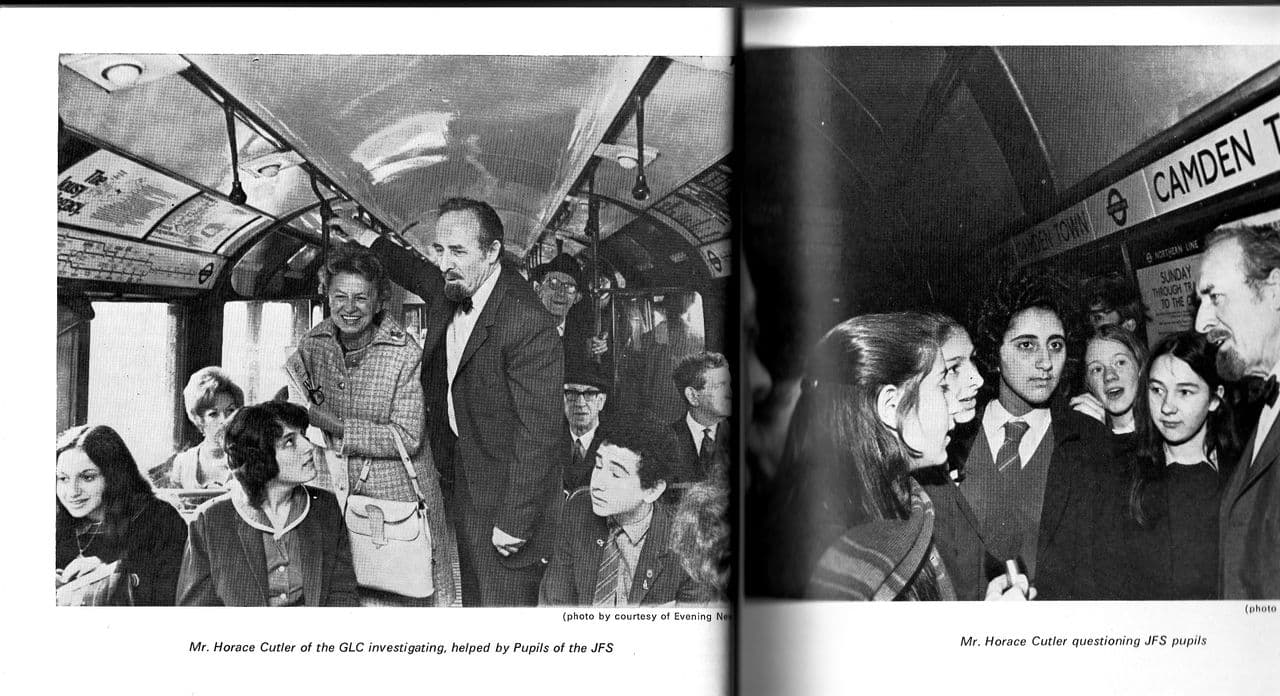
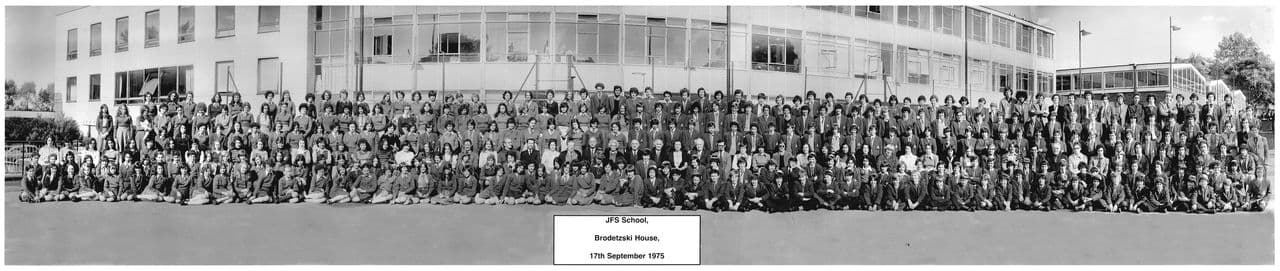
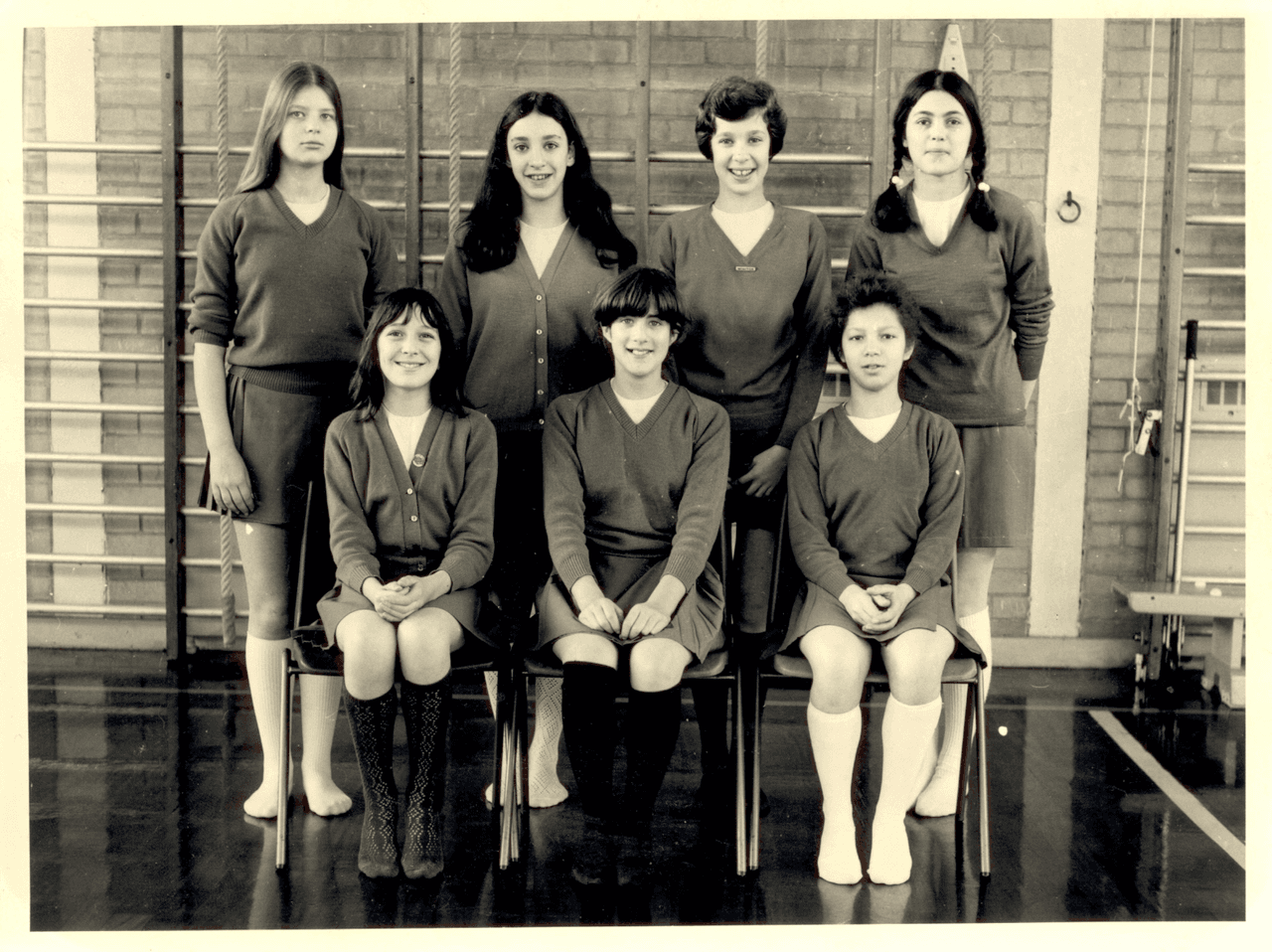
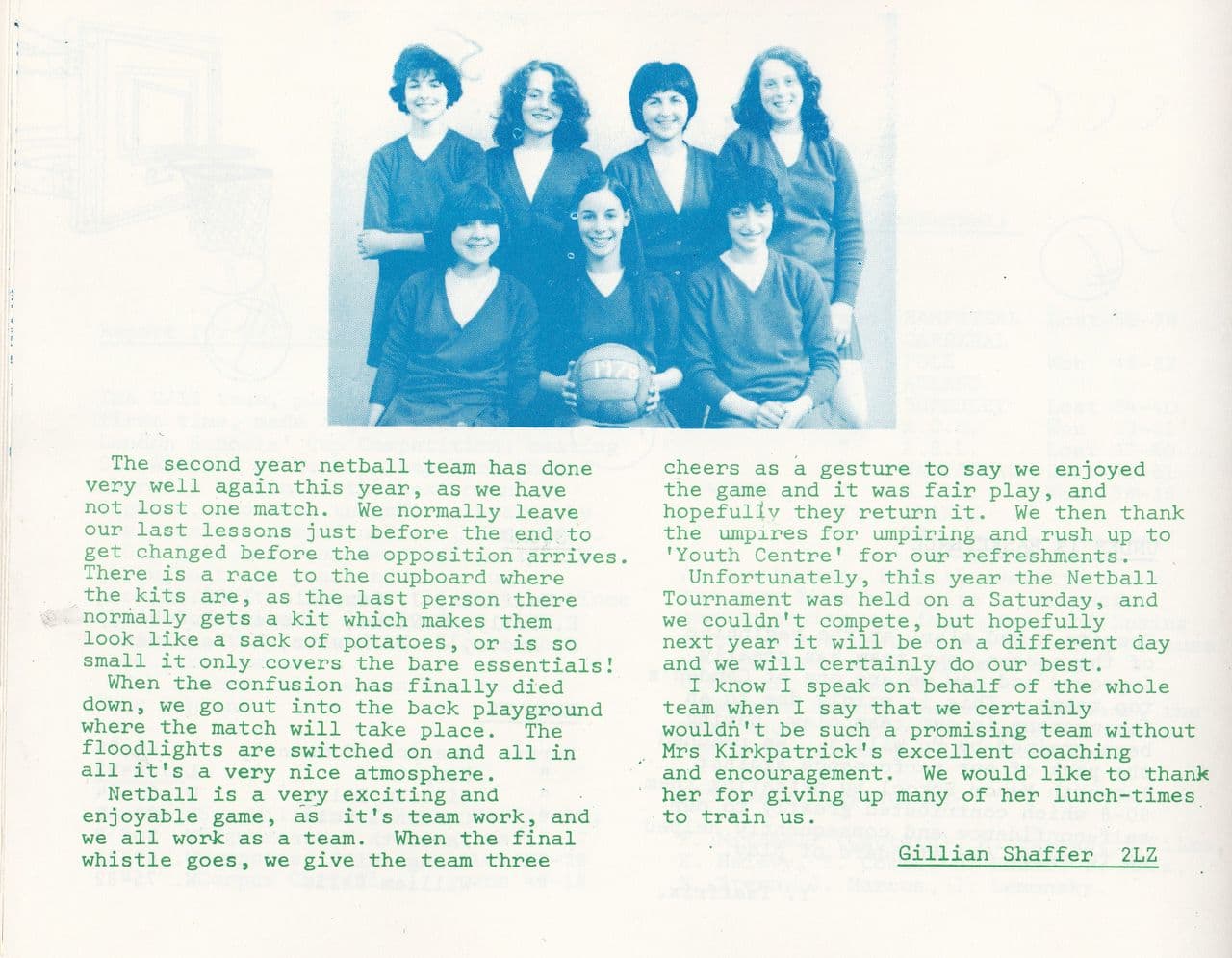
Classrooms, exams, tefillah, music and daily life: the ordinary evidence of a school that kept adapting.